
Our Mission
A program of the Gulf Trust, Trash Free Gulf is presented by H-E-B’s Our Texas, Our Future and unites cleanup partners across the state. In May 2026, volunteers cleaned up our watersheds and raised awareness for healthy streams, rivers, lakes, bays, and oceans. As part of this effort, cleanup partners collected data on the type and volume of trash collected to support solutions that address the root causes of excessive litter. Together, we will work towards a Trash Free Gulf.
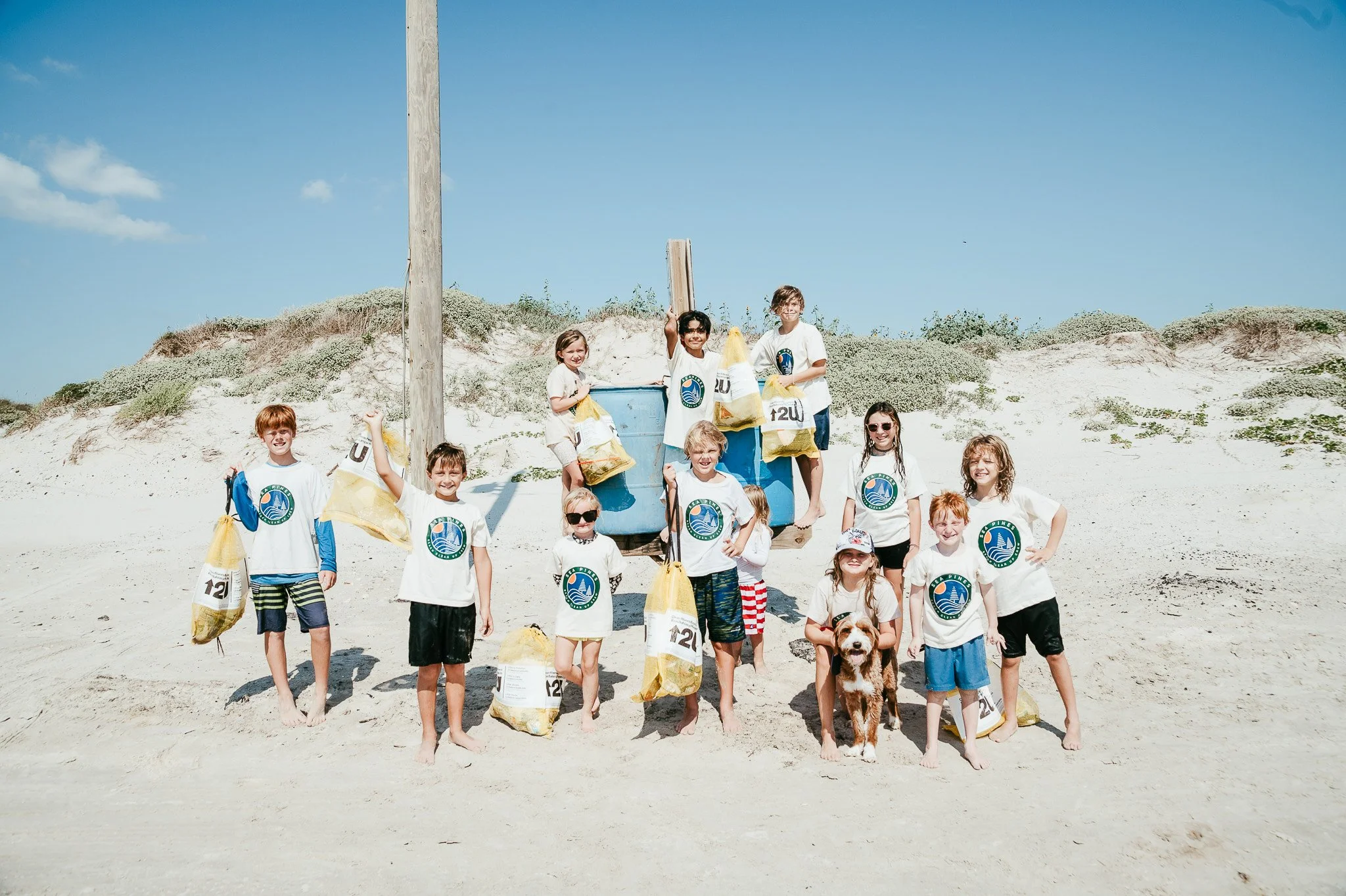
2026 Statistics
Conducted
61
cleanups in every major Texas watershed
Recruited
1,588
volunteers
Prevented
75,612
pounds of trash from reaching the Gulf
50
Cleaned
waterway miles
Collecting Data
We’re partnering with Keep Texas Beautiful and uploading all of our cleanup data to the Texas Litter Database. To learn more, download this Trash Free Gulf data submission guide.
What’s the problem?
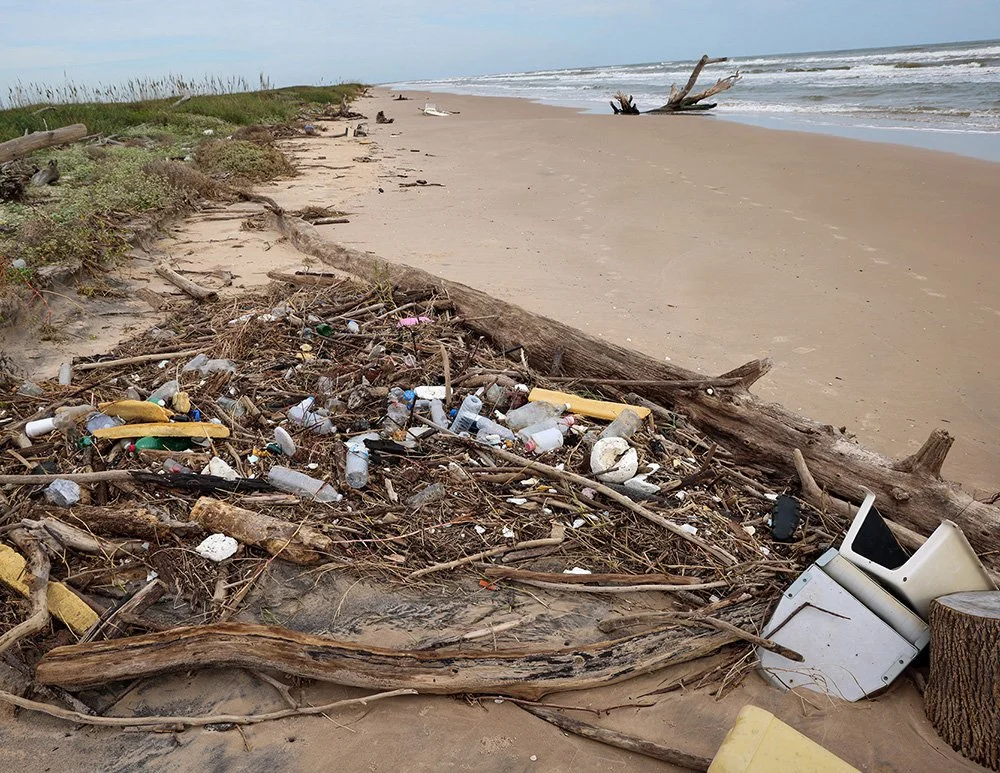
According to a 2018 study, trash piles up along Texas’ coastal areas ten times faster than any other Gulf Coast state.
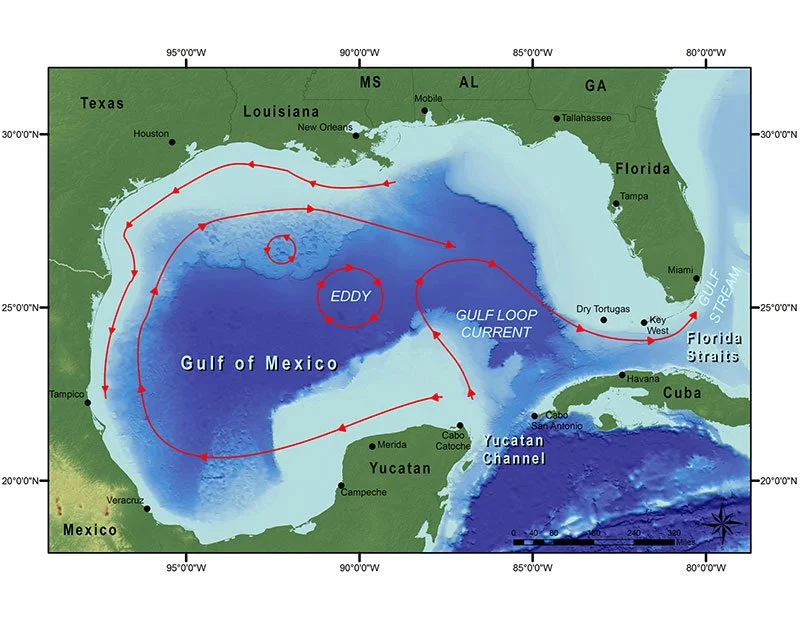
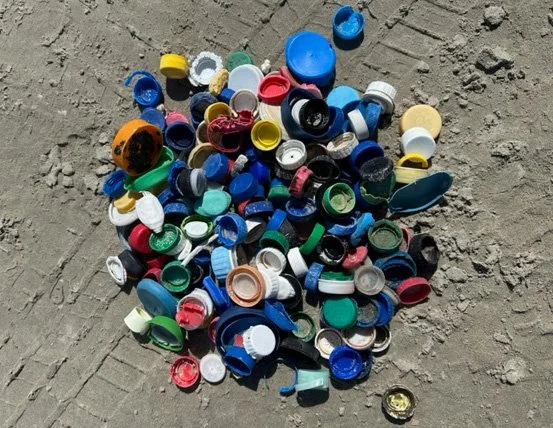
The Gulf, due to ocean currents and being largely encircled by land, has some of the highest concentrations of plastics and other trash in the world.
Around 80% of plastics in the aquatic environment come from land-based sources carried by wind and water.
Why does this matter?
Texas ranks second in the US for biodiversity in its rivers and streams.
Freshwater gives life to Texas coastal waters, which are nurseries for the Gulf.
Tiny pieces of plastic can create abrasions in birds’ digestive system, leading to infection and bleeding. If they consume enough, it can block their digestive system, make them feel full, and cause malnourishment.
Although plastic may seem impervious, it can also absorb chemicals from the surrounding water and those chemicals can then enter an animal’s body if ingested.
Fishing line and balloon strings can birds and other animals by entangling them. Shorebirds often get so tangled up in monofilament fishing line that they can’t walk.
Marine debris endangers over 900 marine species, including sea turtles, algae, oysters, and fish. Sea turtles most commonly eat plastic sheeting and plastic bags, which resemble their jellyfish prey.
Abandoned fishing gear can continue to catch fish and other marine life in a phenomenon known as ghost fishing. Algae can stick and grow on floating microplastics. Filter feeders such as oysters, scallops, and mussels consume both algae and microplastics simultaneously. These tiny plastic particles can then move up the food chain, being ingested by blue crabs and small fish, which are in turn eaten by larger predators like seals, sharks, and dolphins

Make a Contribution
Your gift helps us support litter cleanups across the state and healthier rivers, lakes, and the Gulf for humans and wildlife.
